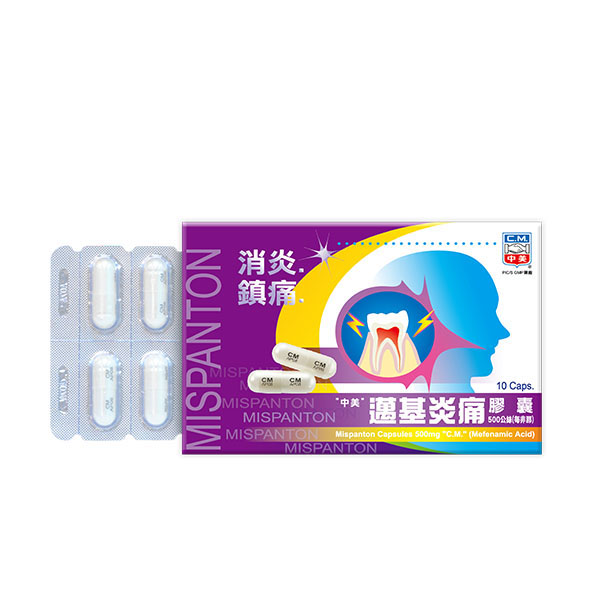

I. Contraindications
- Etodolac should not be used in patients with a known hypersensitivity to this drug. Due to the possibility of cross-reaction, Etodolac should not be used in patients who have previously experienced asthma, rhinitis, or urticaria while treated with Aspirin or other nonsteroidal anti-inflammatory drugs (NSAIDs). Etodolac is also not suitable for patients who currently have peptic ulcers, have a history of gastrointestinal ulcers, or have experienced bleeding due to other NSAIDs.
- This drug is contraindicated within 14 days after coronary artery bypass graft (CABG) surgery.
II. Warnings and Precautions
- Cardiovascular Embolistic Events: Based on multiple clinical trials of selective COX-2 inhibitors and non-selective NSAIDs, it has been found that using these drugs for three years increases the risk of serious cardiovascular embolic events, including myocardial infarction and stroke, which may be fatal. However, based on current research data, it cannot be confirmed whether various NSAIDs have a similar risk of cardiovascular embolic events. Furthermore, regardless of whether the patient has cardiovascular disease or related risk factors, the relative risk of serious cardiovascular embolic events is increased to a similar degree. However, individuals with cardiovascular disease or related risk factors have a higher risk of heart attack or stroke, thus the absolute risk of serious cardiovascular embolic events is even higher after using these drugs. Other observational studies have found that serious cardiovascular embolic events may occur within the first few weeks of using these drugs, and the risk of cardiovascular embolic events increases with increasing dosage. To reduce the potential risk of adverse cardiovascular events associated with this class of drugs, it is recommended to use the shortest possible treatment duration and the lowest effective dose. During medication, healthcare professionals and patients should be vigilant for adverse cardiovascular events, even if no cardiovascular-related adverse symptoms have been previously observed. Patients need to be informed of the symptoms of serious adverse cardiovascular events and how to manage them. Post-CABG: Two large clinical trials showed that the use of COX-2 selective inhibitors within 10–14 days after CABG increased the incidence of myocardial infarction and stroke. Therefore, this drug should not be used within 14 days after CABG. Patients with recent myocardial infarction: Observational studies have shown that the use of NSAIDs after myocardial infarction increased the incidence of re-infarction, cardiovascular-related death, and overall mortality during the first week of treatment. Studies have also shown that the first-year mortality rate for those using NSAIDs after a myocardial infarction is 20 per 100 people per year, while the mortality rate for those not using NSAIDs is 12 per 100 people per year. Although the mortality rate after the first year decreases with NSAID use, the mortality rate remains relatively high over the following four years. Therefore, this drug should be avoided in patients who have recently experienced a myocardial infarction unless the benefits of the drug are assessed to outweigh the risk of recurrent cardiovascular embolism. If this drug is used in patients who have recently experienced a myocardial infarction, they should be closely monitored for signs of myocardial ischemia. Heart Failure and Edema: Randomized controlled trials have shown that patients treated with selective COX-2 inhibitors and non-selective NSAIDs are twice as likely to be hospitalized for heart failure as those in the placebo group. Furthermore, observational studies have found that patients with heart failure who use these drugs have an increased risk of myocardial infarction, hospitalization for heart failure, and death. Some patients using NSAIDs have been observed to experience fluid retention and edema. Therefore, the use of this medication may diminish the cardiovascular effects of some drugs, such as diuretics, ACE inhibitors, or angiotensin receptor blockers (ARBs). Therefore, this medication should be avoided in patients with severe heart failure unless the benefits are assessed to outweigh the risk of worsening heart failure. If this medication is used in patients with severe heart failure, close monitoring for signs of worsening heart failure is necessary. In healthy volunteers, Etodolac has shown a lower incidence of gastrointestinal bleeding compared to other commonly used nonsteroidal anti-inflammatory drugs (NSAIDs). However, if a patient has a history of upper gastrointestinal disorders, including peptic ulcers (see the “Contraindications” section), and has chosen this medication after weighing the benefits and risks, it should be used with caution under close medical supervision, and appropriate anti-ulcer therapy should be considered concurrently. Serious cardiovascular side effects have been reported with similar medications, and the safety of long-term use of this medication in the Taiwanese population has not been established. Patients with high-risk groups such as those with cardiovascular disease should use this product with extreme caution. “The use of nonsteroidal anti-inflammatory drugs (NSAIDs) by pregnant women over 30 weeks of gestation may lead to premature closure of the fetal ductus arteriosus and high pulmonary artery pressure, and should be avoided. The use of NSAIDs by pregnant women at 20 weeks of gestation or older may lead to fetal renal dysfunction, oligohydramnios, and even neonatal renal impairment. If a healthcare professional deems it necessary for a patient to use NSAIDs between 20 and 30 weeks of gestation, treatment should be limited to the lowest effective dose and the shortest possible duration. If treatment lasts longer than 48 hours, a healthcare professional should consider ultrasound monitoring of blood flow.” “All drugs that inhibit prostaglandin biosynthesis will interfere with platelet function to some extent. For those taking Etodolac…” Patients who may experience adverse effects from this effect should be carefully monitored. No significant clinical changes in renal or hepatic function due to Etodolac use have been observed in any clinical trials. However, renal or hepatic impairment due to other causes may alter drug metabolism. If a patient has this condition or requires long-term use (especially the elderly), potential side effects should be monitored, and the dosage adjusted as needed.
III. Other Precautions
- Cardiovascular Embolistic Events:
-
- NSAIDs increase the risk of serious cardiovascular embolic events, including myocardial infarction and stroke, which can be fatal. This risk may occur initially with use of these drugs, and the longer the use, the greater the risk.
- After Coronary Artery Bypass Graft (CABG) surgery 14 Do not use this drug within 3 days. **ul** **ol** **** **
IV. Precautions for Special Populations** **
- ** **Pregnancy:** **
-
- ** **
- ** Animal studies have shown that at daily doses of 2–10 mg/kg, this drug has no teratogenic or embryotoxic effects on rats or rabbits. At daily doses of 3–15 mg/kg, Etodolac has only minor effects on the fertility and overall reproductive performance of both male and female rats, as well as on the offspring of these female rats. Experiments have shown that the use of drugs that inhibit prostaglandin biosynthesis in pregnant animals may lead to dystocia or delayed delivery. Studies on rats receiving 3–15 mg/kg Etodolac daily before and after delivery have shown that at 15 mg/kg daily…** In one group, the number of female mice experiencing dystocia or prolonged gestation, as well as the number of stillbirths per litter, were higher than usual. Regarding pregnant women, there are currently insufficient and rigorously controlled studies available. Therefore, Etodolac should only be used in pregnant women when the potential benefits to the patient outweigh the potential harm to the fetus. Some prostaglandin biosynthesis inhibitors have been shown to interfere with the closure of the ductus arteriosus; therefore, its use is not recommended during the last trimester of pregnancy. Etodolac. Inhibition of prostaglandin synthesis may affect pregnancy and/or embryonic/fetal development. Some epidemiological studies show that use of prostaglandin synthase inhibitors in early pregnancy increases the risk of miscarriage and heart malformations. Animal studies have confirmed that use of prostaglandin synthase inhibitors leads to increased pre- and post-implantation embryo loss and embryonic/fetal lethality; in addition, animal studies have reported an increased incidence of embryonic malformations (including arteriovenous malformations) in animals given prostaglandin synthase inhibitors during organogenesis. Lactation: For lactating women: The safety of Etodolac during lactation has not been established. Carcinogenicity, mutagenicity, and impairment of fertility: To assess the carcinogenicity of Etodolac, a 2-year rat study and another 18-year study will be conducted. A 1-month mouse study: No carcinogenicity was found. Etodolac was also shown to be non-mutagenic by the Ames mutagenicity test. Pediatrics: For use in children: The safety and efficacy of Etodolac have not been established. V. Interactions Drug interactions: Warfarin, in vitro studies using human serum showed that 20 mcg/ml and 100 mcg/ml of Etodolac (concentrations exceeding the usual therapeutic dose) increased the mean concentration of free Warfarin by 24.5% and 71.4%, respectively: the increase appeared to be dose-related. In a clinical trial, continuous administration of 13 doses of Aspirin (975 mg four times daily) showed an effect on Etodolac… The concentration of unbound blood emulsions was not significantly affected. Laboratory interaction studies: Bilirubin assays based on diazonium salt reactions may produce false positives in the presence of phenolic metabolites of Etodolac in urine. VI. Important Clinical Side Effects/Adverse Reactions Etodolac is well tolerated according to various clinical trials. Most adverse reactions are mild and transient, and patients rarely discontinue the drug due to them. Overall, the rate of complaints about Etodolac is similar to that of placebo. The following are some adverse events that occurred in more than one percent of patients and may or are indeed related to the drug. These reports of adverse events come from a total of 1382 patients who took Etodolac at a daily dose of up to 600 mg for 4 weeks to 52 weeks. Weekly.
- Incidence greater than 1%:
- Gastrointestinal: Nausea, diarrhea, upper abdominal pain, heartburn, bloating, gastrointestinal spasms, abdominal distension, constipation, vomiting, indigestion.
- Central Nervous System: Headache, dizziness, drowsiness, insomnia, tension/anxiety, depression.
- Skin: Rash (vesicular, maculopapular, and eczematous), itching.
- General discomfort: Fatigue, weakness/discomfort.
- Reproductive and urinary tract: Frequent urination.
- Metabolic system: Fluid retention/edema.
- Sensory system: Tinnitus.
- Incidence less than 1% Subjects:
- Gastrointestinal: Rectal bleeding, abnormal taste, black stools, yellow pimples, belching, loose stools, heartburn, increased bowel movements, mucus in stools, swollen and painful gums, chest fullness.
- Central Nervous System: Panic, confusion, dizziness, paresthesia, tremors, fainting, nightmares, lethargy, difficulty concentrating, heaviness in the head.
- Skin: Urticaria, alopecia, stomatitis, mucosal ulcers or dryness Easy to bruise, sensitive to light, peeling skin, brittle nails, tongue ulcers. Eyes, ears, nose, throat: Hearing loss, nervous confusion, nasal congestion, ear pain, pressure/throbbing in the ear, flashes of light/dark spots, burning sensation in the eyes/nose, stinging behind the eyes. Limbs: Muscle spasms, muscle fatigue, involuntary muscle movements, arm pain, hand pain, shoulder pain, hand tremors, tenderness, subcutaneous nodules/joints of the big toe and metatarsal bones. General discomfort: fever, chills, drowsiness, vasculitis, systemic degeneration, breast tenderness. Reproductive and urinary systems: painful urination, urgency, hematuria, nocturia, vaginal bleeding, erectile dysfunction, rectal-pubic pain. Metabolic system: weight changes, facial flushing, loss of appetite, excessive thirst, hot flashes, increased appetite, sweating. Heart and blood vessels: palpitations, tachycardia, chest pain, chest pain between the ribs and cartilage, chest tightness. Respiratory system: difficulty breathing, hyperventilation, sneezing, sighing. Laboratory diagnosis: decreased hemoglobin, decreased blood volume, decreased white blood cell count, transient increase in liver enzymes. ul ol
VII. Overdose
Never Reports of Etodolac overdose have emerged. Given the lack of prior experience with acute overdose, it is logically reasonable to proceed with standard treatment measures such as gastric lavage, administration of activated charcoal, and general supportive care.
- Incidence greater than 1%:
- ** Animal studies have shown that at daily doses of 2–10 mg/kg, this drug has no teratogenic or embryotoxic effects on rats or rabbits. At daily doses of 3–15 mg/kg, Etodolac has only minor effects on the fertility and overall reproductive performance of both male and female rats, as well as on the offspring of these female rats. Experiments have shown that the use of drugs that inhibit prostaglandin biosynthesis in pregnant animals may lead to dystocia or delayed delivery. Studies on rats receiving 3–15 mg/kg Etodolac daily before and after delivery have shown that at 15 mg/kg daily…** In one group, the number of female mice experiencing dystocia or prolonged gestation, as well as the number of stillbirths per litter, were higher than usual. Regarding pregnant women, there are currently insufficient and rigorously controlled studies available. Therefore, Etodolac should only be used in pregnant women when the potential benefits to the patient outweigh the potential harm to the fetus. Some prostaglandin biosynthesis inhibitors have been shown to interfere with the closure of the ductus arteriosus; therefore, its use is not recommended during the last trimester of pregnancy. Etodolac. Inhibition of prostaglandin synthesis may affect pregnancy and/or embryonic/fetal development. Some epidemiological studies show that use of prostaglandin synthase inhibitors in early pregnancy increases the risk of miscarriage and heart malformations. Animal studies have confirmed that use of prostaglandin synthase inhibitors leads to increased pre- and post-implantation embryo loss and embryonic/fetal lethality; in addition, animal studies have reported an increased incidence of embryonic malformations (including arteriovenous malformations) in animals given prostaglandin synthase inhibitors during organogenesis. Lactation: For lactating women: The safety of Etodolac during lactation has not been established. Carcinogenicity, mutagenicity, and impairment of fertility: To assess the carcinogenicity of Etodolac, a 2-year rat study and another 18-year study will be conducted. A 1-month mouse study: No carcinogenicity was found. Etodolac was also shown to be non-mutagenic by the Ames mutagenicity test. Pediatrics: For use in children: The safety and efficacy of Etodolac have not been established. V. Interactions Drug interactions: Warfarin, in vitro studies using human serum showed that 20 mcg/ml and 100 mcg/ml of Etodolac (concentrations exceeding the usual therapeutic dose) increased the mean concentration of free Warfarin by 24.5% and 71.4%, respectively: the increase appeared to be dose-related. In a clinical trial, continuous administration of 13 doses of Aspirin (975 mg four times daily) showed an effect on Etodolac… The concentration of unbound blood emulsions was not significantly affected. Laboratory interaction studies: Bilirubin assays based on diazonium salt reactions may produce false positives in the presence of phenolic metabolites of Etodolac in urine. VI. Important Clinical Side Effects/Adverse Reactions Etodolac is well tolerated according to various clinical trials. Most adverse reactions are mild and transient, and patients rarely discontinue the drug due to them. Overall, the rate of complaints about Etodolac is similar to that of placebo. The following are some adverse events that occurred in more than one percent of patients and may or are indeed related to the drug. These reports of adverse events come from a total of 1382 patients who took Etodolac at a daily dose of up to 600 mg for 4 weeks to 52 weeks. Weekly.
-
-